What is PTSD?
“Trauma is not what happens to you, but what happens inside you as a result of what happened to you.” Gabor Maté
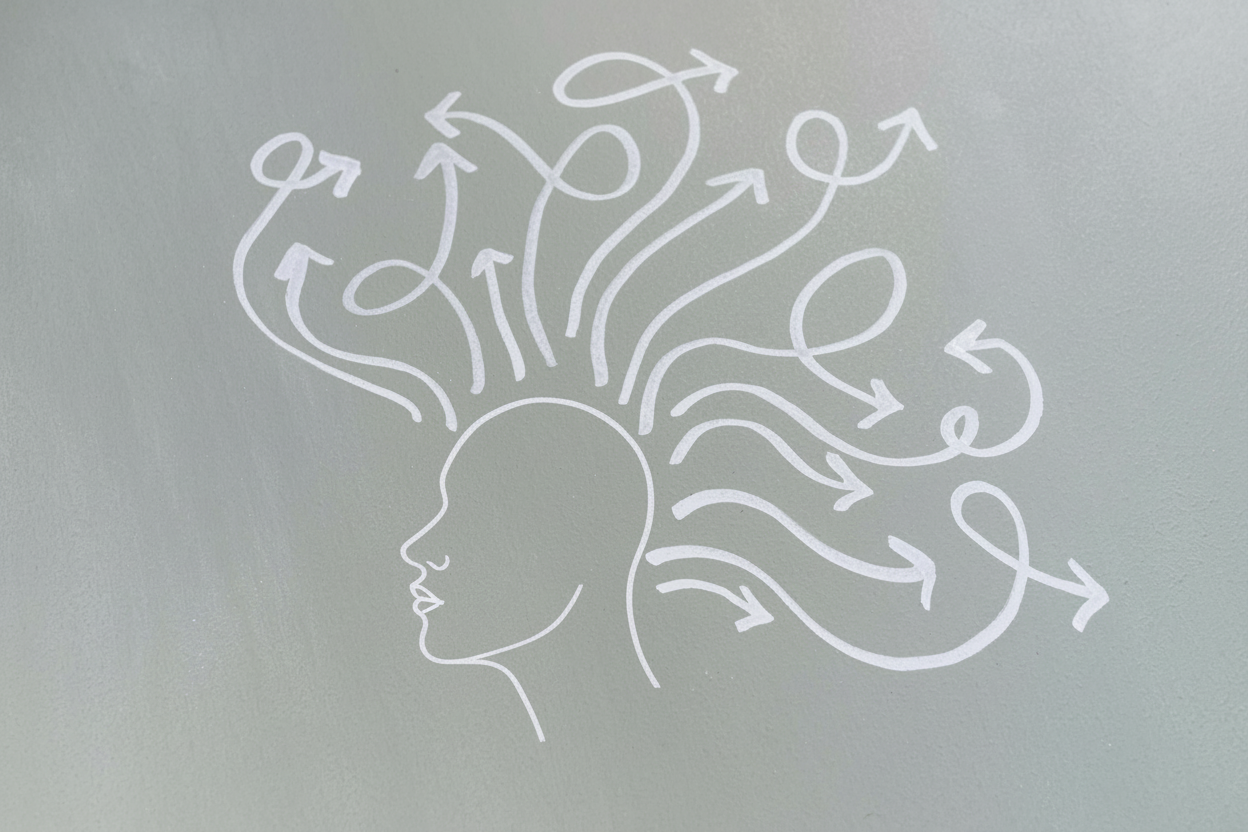
PTSD is a psychological condition that occurs when the brain’s natural recovery process becomes disrupted following a traumatic experience. Rather than processing and filing away the memory of a traumatic event as it would with ordinary experiences, the brain can become “stuck,” causing the trauma to feel as though it is still happening in the present moment.
PTSD was first formally recognised in war veterans, but we now understand that it can affect anyone who has experienced or witnessed trauma, regardless of age, background, or personal strength. Developing PTSD is not a sign of weakness. It is the mind and body’s response to an overwhelming experience that exceeded its capacity to cope at the time.
Symptoms of PTSD
PTSD symptoms are grouped into four main categories. Symptoms must be present for more than one month and cause significant distress or functional impairment to meet a clinical diagnosis. The four categories include:
1. Re-experiencing Symptoms
These symptoms involve the trauma intruding into everyday life uninvited:
- Flashbacks: vivid, distressing replays of the traumatic event that feel as though they are happening right now
- Nightmares or disturbing dreams related to the trauma
- Intrusive thoughts or unwanted memories of the event
- Intense emotional or physical reactions when reminded of the trauma (such as a racing heart, sweating, or panic)
2. Avoidance Symptoms
The mind attempts to protect itself by avoiding anything associated with the trauma:
- Avoiding thoughts, feelings, or memories related to the event
- Avoiding people, places, situations, or activities that serve as reminders
- Emotional numbing or feeling detached from others
- Loss of interest in activities that were once enjoyable
3. Negative Changes in Thinking and Mood
Trauma can profoundly alter how a person sees themselves, others, and the world:
- Persistent negative beliefs such as “I am to blame,” “I am broken,” or “nowhere is safe”
- Feelings of shame, guilt, anger, or fear that are difficult to shift
- Difficulty experiencing positive emotions such as happiness, love, or joy
- Feeling estranged or disconnected from friends and family
- A diminished sense of future or difficulty imagining life going forward
4. Changes in Arousal and Reactivity
The nervous system becomes dysregulated, remaining in a state of high alert:
- Hypervigilance: constantly scanning for danger even in safe environments
- Being easily startled or having an exaggerated startle response
- Difficulty sleeping or staying asleep
- Irritability, anger outbursts, or aggressive behaviour
- Difficulty concentrating
- Reckless or self-destructive behaviour
Complex PTSD (C-PTSD)
In addition to PTSD, some individuals develop Complex PTSD, which can occur following prolonged, repeated trauma, such as childhood abuse, domestic violence, or prolonged captivity. In addition to the core PTSD symptoms above, C-PTSD can also involve:
- Dissociation: feeling detached from one’s thoughts, feelings, or sense of identity
- Significant difficulties with emotional regulation
- Deep disturbances in self-perception, including chronic feelings of emptiness or worthlessness
- Difficulties in relationships, including problems with trust and intimacy
How PTSD Impacts Daily Life
PTSD rarely stays contained to memories of the past. It reaches into every corner of a person’s life, often in ways that can be difficult to understand or explain to others.
Relationships and Family
PTSD can place enormous strain on even the closest relationships. Emotional numbness, withdrawal, irritability, and difficulty trusting others can make intimacy and connection feel impossible. People with PTSD often describe feeling distant and disconnected from loved ones. Partners and family members often feel helpless, confused, or shut out, which can lead to conflict, disconnection, and breakdown of relationships. Parenting can also be significantly affected, with some individuals finding it difficult to regulate their own emotions in the presence of their children.
Work and Career
Concentration difficulties, memory problems, fatigue from disrupted sleep, and hypervigilance can make it difficult to perform at work. Many people with PTSD experience difficulties managing workplace stress, navigating authority figures, or functioning in environments with loud noises, crowds, or unpredictability. Some are unable to work at all during acute phases of the condition, leading to financial stress that compounds overall wellbeing.
Physical Health
The connection between trauma and physical health is well established. People living with PTSD have higher rates of chronic pain conditions, cardiovascular disease, autoimmune disorders, gastrointestinal problems, and sleep disorders. The body carries the burden of unprocessed trauma.
Mental Health and Substance Use
PTSD rarely occurs in isolation. It commonly co-occurs with depression, anxiety disorders, and in some cases, substance use as a way of managing overwhelming symptoms. Self-medication with alcohol or drugs is common and understandable, though it ultimately maintains and worsens the underlying condition over time.
Identity and Sense of Self
Perhaps one of the most painful impacts of PTSD is the way it can alter a person’s fundamental sense of who they are. Many people describe feeling like a different person since the trauma, disconnected from their former self, their values, their hopes, and their sense of the future. This loss of identity can be profoundly isolating and is an important focus of treatment.
What Causes PTSD?
PTSD can develop following any event that a person experiences as threatening, overwhelming, or life-altering. It is not the nature of the event alone that determines whether PTSD develops, it is the interaction between the event, the individual’s history, biology, and available support at the time.
Events commonly associated with PTSD include:
- Physical or sexual assault
- Domestic violence
- Motor vehicle accidents
- Natural disasters
- Combat and war exposure
- Serious illness or medical trauma
- Witnessing violence or the sudden death of a loved one
- Workplace accidents or injuries
- Refugee experiences and persecution
- First responder trauma exposure, police, paramedics, firefighters, and healthcare workers
It is important to note that trauma is subjective. Two people can experience the same event and have very different responses. This does not mean one person is stronger or weaker than the other, it reflects the complexity of human neurobiology, personal history, and the presence or absence of support.
PTSD Statistics in Australia
PTSD is far more common than many people realise:
- Approximately 12% of Australians will experience PTSD at some point in their lifetime
- In any given year, around 5% of Australians are living with PTSD
- Women are twice as likely as men to develop PTSD following a traumatic event
- Among Australian war veterans and first responders, rates of PTSD are significantly higher than the general population
- Despite its prevalence, PTSD remains widely underdiagnosed and undertreated, with many people suffering in silence for years before seeking help
- On average, people wait over a decade before seeking treatment for trauma-related symptoms
- With appropriate treatment, the majority of people with PTSD experience significant improvement in their symptoms and quality of life
Sources: Australian Institute of Health and Welfare; Beyond Blue; Phoenix Australia Centre for Posttraumatic Mental Health

